
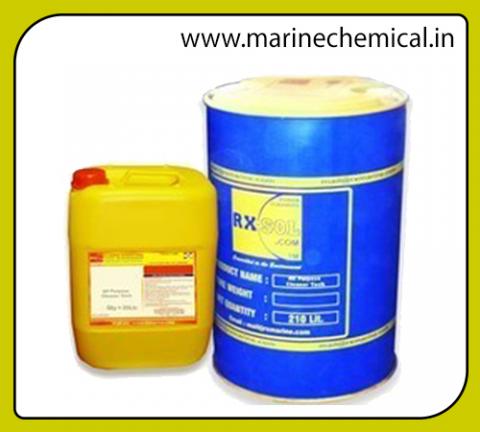
Diesilite Fuel Combustion Improver
For carbon residue formation during combustion is inhibited by maganese catalysts that lower the ignition temperature of heavy asphalt particles or bunker - C. The combustion time is consequently increased, leading to a reduction of tarry deposits and carbonaceous fire scale also It will prevent slag formation
RXSOL-70-7004-020 is specifically intended for treatment and reduction of corrosive smoke, carbon and soot deposits formed on exhaust valve seats and turbocharger components. It is a most advanced fuel oil treatment for modern steam generating units that burn Bunker- "C" or lighter distillates. It is completely soluble in fuel oils and disperses Atomic Manganese throughout the firebox. It will improve combustion and prevent corrosion by eliminating the formation of nitric and sulfuric oxides. It will prevent slag formation and bridging by raising the fusion temperature of alkali metals and vanadium.
Diesilite fuel combustion Improver is completely soluble in fuel oils and disperses Atomic Manganese throughout the firebox. It will improve combustion and prevent corrosion by eliminating the formation of nitric and sulfuric oxides. It will prevent slag formation and bridging by raising the fusion temperature of alkali metals and vanadium.
Key Features
- Reduces corrosive smoke, soot, and carbon deposits on exhaust valves and turbocharger components
- Improves fuel combustion efficiency in Bunker-C and lighter distillate–fired steam systems
- Disperses atomic manganese uniformly to neutralize sulfuric and nitric oxide formation
- Prevents slagging and vanadium-induced deposits by increasing ash fusion temperature
Diesilite Combustion Catalyst distributors and supplier in Mumbai, JNPT, Pirpav Kandla, Mundra, Hazira, Chennai - Ennore, Kolkata - Haldia - Paradip, Visakhapatnam - Gangavaram, Fujairah - Sharjah - Abu Dhabi - Dubai, Ghala, Ruwi Barka, Muscat Oman, Nairobi Kenya, Canada
A higher burn-out of carbon and hydrocarbon will reduce the build-up of deposits, reduces maintenance and increase the time between overhauls.
The risk of T/C breakdown and boiler fires is significantly reduced.


